Cold Blood Dino Hunting Night and Weather Hunting
Hunt the clock and the sky—vision, hearing, and abort calls that keep BETA sessions alive.
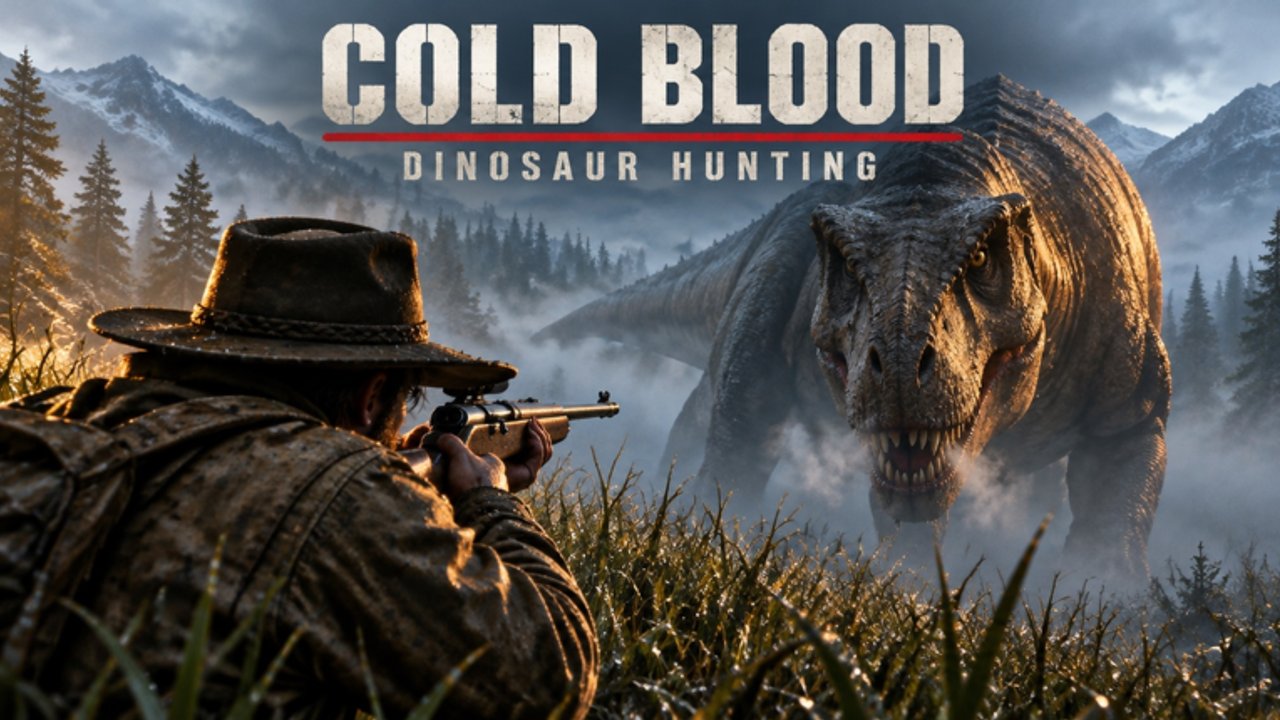
Daylight glassing is only half of Cold Blood Dino Hunting. Day, dusk, night, and weather each change what you see and what can hear you. Predators still investigate gunshots when the sky turns ugly, and ash or storms can erase the visual trails you rely on in Kettle Hollow. This guide explains how to adapt loadouts, when bows outrank loud rifles, and when the correct play is to extract instead of forcing a trophy.
The four light states
Day
Long sightlines favor rifles and ridge glassing. Learn animals and lead timing here—start with Gallimimus in Hollow before you trust night audio alone. Day is also when you verify drop after a BETA patch using the weapons guide.
Dusk
Herds move. Shadows hide feet. Audio becomes a co-pilot. Many hunters take their best mid-tier trophies at dusk because animals relocate through predictable lanes while you still have partial vision. Keep a quiet backup ready; dusk gunshots travel farther than you expect in quiet basins.
Night
Vision collapses. Hearing and discipline rise. Longbow and crossbow jump in value because every muzzle blast paints a beacon for investigators. Shorten engagement distances. Favor reserves you already know from the reserves map—Thornveil Canopy and Fen punish tourists who only hunted Mesa at noon.
Weather overlays
Rain, fog, ash, and storms stack on top of the clock. Treat weather as a multiplier: night plus ash is not “hard mode bragging rights,” it is a wipe factory for under-ranked permits. Climb senses via permits before you schedule prestige weather hunts.
Audio as a primary sense
At night, stop sprinting between every bush. Pause, listen, and triangulate. Footfalls, herd chatter, and predator investigatory paths often arrive before silhouettes. If you use community overlays, understand what they replace—read Scripts so you are not surprised when anti-cheat or a patch removes a crutch. Legit audio plus permit senses age better than ESP.
Why bows win after dark
| Situation | Prefer |
|---|---|
| Day ridge glass | Precision / heavy rifle |
| Dusk herd move | Rifle open, bow follow-up |
| Night close stalk | Longbow or crossbow |
| Ash / storm | Quiet weapon + abort plan |
Silent openings reduce the investigator queue. You still need lethal backup for apex work—see How to hunt Tyrannosaurus—but night mid-tiers are where bow mains look like geniuses and rifle sprayers look like dinner bells.
Ashfall and storm rules of thumb
Ashfall Caldera already hides silhouettes in haze. Add night or a storm and your glassing time doubles. Rules:
- Shorten the shot. Accept closer stalks.
- One animal only—mixed trails vanish in ash.
- Pre-plan two exit lanes before the opening shot.
- If blood color disappears, lean on footprints and permit senses from hunting tips.
- Abort when ammo, stamina, or lobby chaos crosses your threshold.
Blackwater Fen fog behaves similarly: depth perception lies. Do not take hero shots across open water you have not ranged in daylight.
Thornveil Canopy at night
Canopy cover cuts sky glow and muffles some audio. Close stalks shine—especially for tranquilizer and rare colors work—but so do ambush predators. Move like you are being graded. Jump spam and metal mantle noise announce you as clearly as a rifle.
When to abort
Abort is a skill, not a failure. Leave when:
- Two investigators path toward your last gunshot.
- Weather erases the trail and you cannot reacquire prints.
- Your quiet ammo is gone and only loud follow-ups remain.
- Duo partners disconnect mid-stalk (Players etiquette: call the extract).
- A patch just dropped and you have not re-tested drop—check Updates first.
Banking a smaller dusk trophy beats wiping a Primeval challenge in a storm you should have skipped.
Session planning template
- Redeem codes while it is still day in lobby time if possible.
- Warm up with one daytime Hollow recovery.
- Decide the clock goal: dusk lane, night bow stalk, or weather cancel.
- Pack the quiet secondary before you leave spawn.
- Set an abort rule out loud if you are in a duo.
Permit and challenge synergy
Night and weather challenges often pay better on trophies, challenges, and leaderboards because fewer hunters finish them cleanly. Do not confuse “harder” with “spray more.” Clean-shot scoring still wins; weather just removes your visual crutches.
Common mistakes
- Treating night like day with a brighter monitor instead of a quieter kit.
- Opening with a heavy rifle next to known predator lanes.
- Chasing Gallimimus sprints through Canopy dark without a lead plan.
- Ignoring BETA tune-ups that change hearing ranges—re-read BETA notes.
Related pages
Master the clock and the sky, and every reserve on the map becomes a toolkit instead of a coin flip.
Frequently Asked Questions
Quick answers for Cold Blood Dino Hunting hunters.
Should I hunt apex dinosaurs at night?
Only after daytime mastery and a quiet backup plan. Night apex multiplies investigator risk.
Why do bows feel stronger after dark?
Silent shots attract fewer predators. At night every rifle blast is easier for investigators to path toward.
What weather should make me leave?
Abort when ash, fog, or storms erase trails and you lack permit senses or quiet ammo to finish cleanly.
Is dusk better than full night for learning?
Yes. Dusk keeps partial vision while teaching audio habits—use it as the bridge from day drills to night stalks.